Federal Reserve Governor Lisa Cook Prevails in Supreme Court Challenge Against Donald Trump
A recent Supreme Court ruling upheld the long-standing independence of the Federal Reserve, preventing former President Donald Trump from removing Governor Lisa Cook from her post.
Politics·
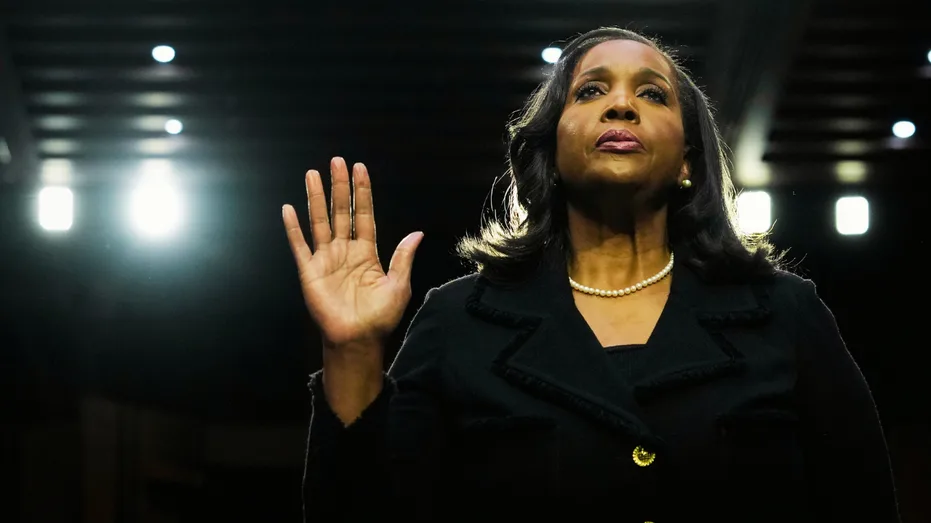
Federal Reserve Governor Lisa Cook recently found herself at the center of a pivotal legal confrontation, as the Supreme Court issued a ruling on Monday that sided against former President Donald Trump's efforts to remove her from office. This decision is significant, reinforcing the long-established safeguards designed to protect the central bank’s operational independence.
Cook's appointment to the Federal Reserve in 2022 by President Joe Biden was groundbreaking; she became the first Black woman to hold a position on the Fed board of governors. This seven-member panel is responsible for setting national interest rates and overseeing the nation's banking system.
Supreme Court Upholds Fed's Independence
The legal challenge involving Governor Cook originated in late August when Trump announced his intention to dismiss her from the Federal Reserve Board of Governors, the body instrumental in shaping monetary policy and supervising the U.S. banking sector. Trump alleged that Cook had misrepresented information concerning three mortgages she obtained prior to joining the central bank. Cook has consistently denied any wrongdoing, and she has not faced any criminal charges related to these claims.
In response, Cook initiated a lawsuit against Trump in federal court in Washington, D.C., seeking to block her removal from the nation's most influential central banking institution. On September 9, a district court judge issued a temporary injunction, prohibiting Trump from terminating her employment while the case proceeded. This initial ruling was subsequently affirmed by a federal appeals court, ultimately leading to the Supreme Court's decisive Monday ruling.
A Distinguished Career in Economics and Public Service
Before her tenure at the Federal Reserve, Cook built a robust career in academia and public service. An alumna of Oxford University and an economist trained at the University of California, Berkeley, she held faculty positions at prestigious institutions such as Harvard University and Michigan State University.
American economist Barry Eichengreen has characterized Cook as "part economist and historian," noting her command of several languages, including French, Russian, Spanish, and Wolof, a widely spoken language in Senegal. She is also a graduate of Spelman College.
Cook has also served in senior governmental capacities. From 2011 to 2012, she was a senior economist on then-President Barack Obama’s Council of Economic Advisers. Prior to that, she functioned as a senior adviser on finance and development within the Treasury Department’s Office of International Affairs.
She officially joined the Federal Reserve board in May 2022 and was reappointed in September 2023. Her current term is scheduled to run until January 2038.
Related Stories
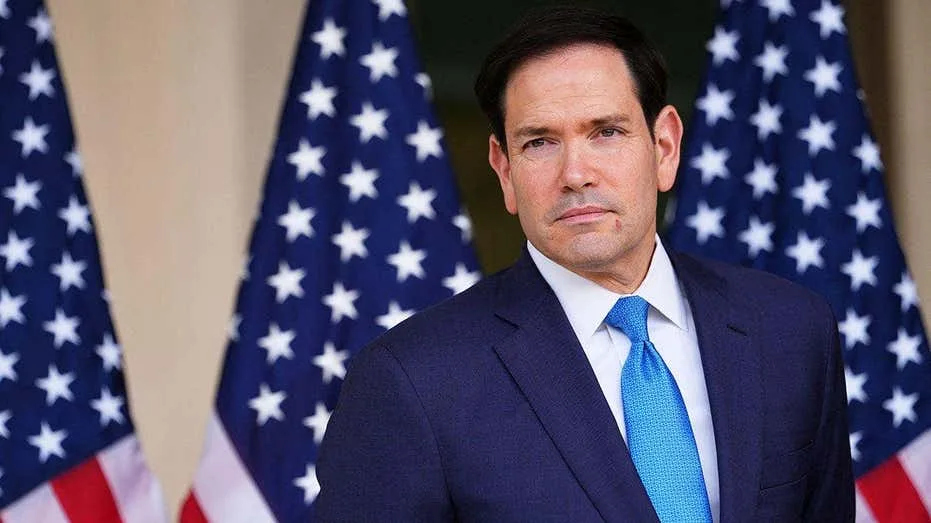
U.S. Intelligence Warns of Heightened Iranian Threat to Personnel Abroad
An unclassified U.S. intelligence memo highlights a substantial increase in Iranian efforts to target American personnel globally, with "lethal plotting" reaching advanced stages. This warning follows a State Department
Oct 24
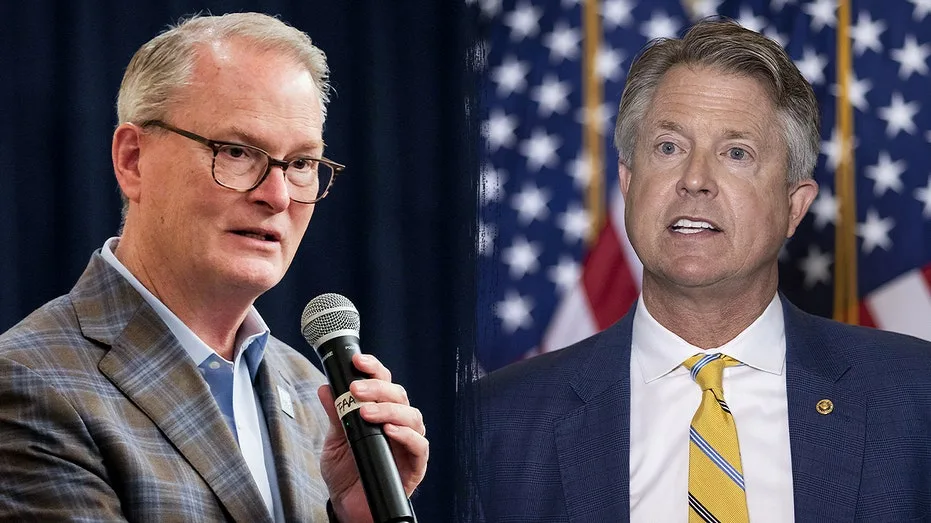
Kansas Senate Candidates Clash on Immigration, AI, and Social Issues in Heated Debate
Kansas Senator Roger Marshall and Democratic challenger Adam Hamilton debated critical issues from immigration and AI to gender identity and political allegiances. The contentious hour-long exchange occurred less than
Oct 23
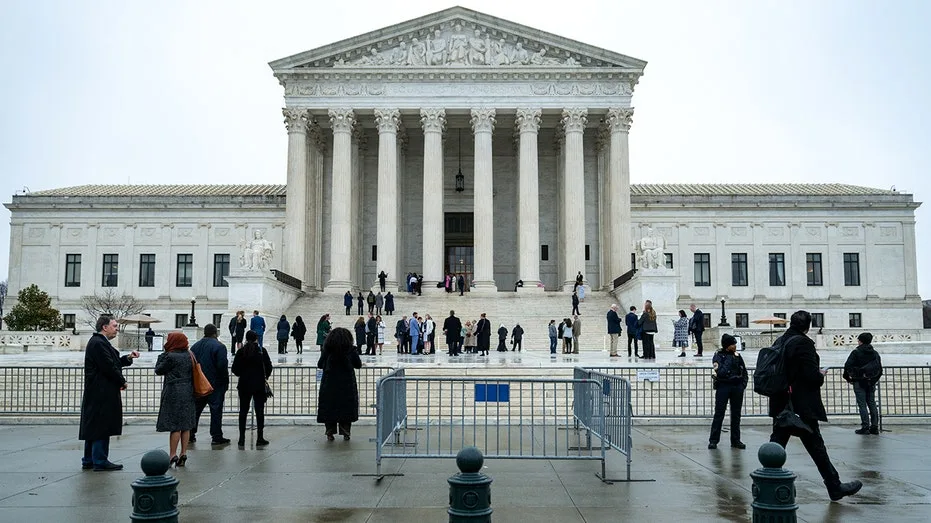
Supreme Court Allows New Hampshire to Reject Student IDs for Voter Verification Ahead of Midterms
The U.S. Supreme Court has permitted New Hampshire election officials to disallow student identification for voting in the upcoming midterm elections. This decision reverses a lower court's ruling, citing concerns about
Oct 23
Attorney General Blanche Does Not Rule Out DOJ Intervention in "Doomsday" Election Scenarios
Attorney General Todd Blanche suggested the Department of Justice could intervene in state election certification processes during "doomsday scenarios," while affirming no intent to improperly interfere. His comments
Oct 23