Trump's Perceived Influence on Latin America's Rightward Political Shifts, With Brazil as Next Focus
Several Latin American nations are experiencing a discernible shift towards right-leaning governance, a trend observers attribute in part to former President Donald Trump's political impact, as Brazil prepares for a critical test of this regional direction.
Politics·

A notable political realignment is underway across Latin America, with several countries gravitating towards right-leaning leadership. This trend is seen by some as reflecting the broader influence of former U.S. President Donald Trump, with Brazil emerging as a significant upcoming test for the region's evolving political trajectory.
Marcelo Sandrin, an Argentine native residing in the U.S. for approximately three decades and a past attendee of Trump rallies, perceives this shift as undeniable, attributing considerable credit to the former American president.
In Argentina, President Javier Milei has become one of the most prominent ideological allies of Trump within the hemisphere. Milei has embarked on extensive economic reforms and challenged the entrenched left-wing political establishment that has largely dominated Argentina's recent history.
"Brazil is almost going to be [moving] to the right again. It's only Mexico and Uruguay for now [on the left]. The problem in my country is one side or the other, they have to steal, stop stealing. That's the number one thing."
Brazil could indeed offer another key indicator of the region's political leanings, as allies of former President Jair Bolsonaro aim to reinstate right-wing governance. However, the nation's political future remains highly contested, highlighting that Latin America's political path is not uniformly veering to the right.
Expanding American Influence and Challenging Regional Order
The impact of the Trump administration in Latin America extended beyond electoral outcomes. Venezuela, for instance, experienced a profound transformation following the U.S. operation that led to the capture of Nicolás Maduro, the country's longtime socialist leader. Santiago Vidal Calvo, a Venezuelan native and researcher at the Manhattan Institute, contended that this action reinforced Washington's influence across the continent and weakened the political framework Maduro represented.
"I have no doubt that President Trump has had a good influential policy towards making governments more right-leaning in Latin America," Calvo stated.
He further elaborated, "I think that got exacerbated with the capture of Maduro. A lot of people saw that the United States was again an influential force in the continent, that China was being kicked out in many fronts."
Broader Implications and Geopolitical Dynamics
Calvo suggested that the political approaches of figures like Trump, Milei, and Salvadoran President Nayib Bukele have helped to inspire right-leaning movements throughout the region. These developments carry implications reaching beyond elections, affecting areas such as immigration, trade relationships, China's regional influence, and national security concerns.
He also highlighted China's increasing footprint in Latin America, asserting that Beijing has expanded its sway through loan agreements. These agreements, he noted, often differ from conventional North American banking practices and can potentially grant China leverage in the domestic affairs of various countries.
Exceptions to the Trend
Despite these observed shifts, the regional political landscape is far from homogeneous. Mexico, for example, continues to be governed by the left-wing Morena movement, standing as a political counterpoint to the network of right-leaning regional allies described. Uruguay also maintains a left-wing government, serving as another exception to the broader trend Sandrin identified.
Calvo particularly commended Senator Marco Rubio, suggesting that the Trump administration's strategy for Latin America represented an underappreciated achievement in foreign policy.
Related Stories
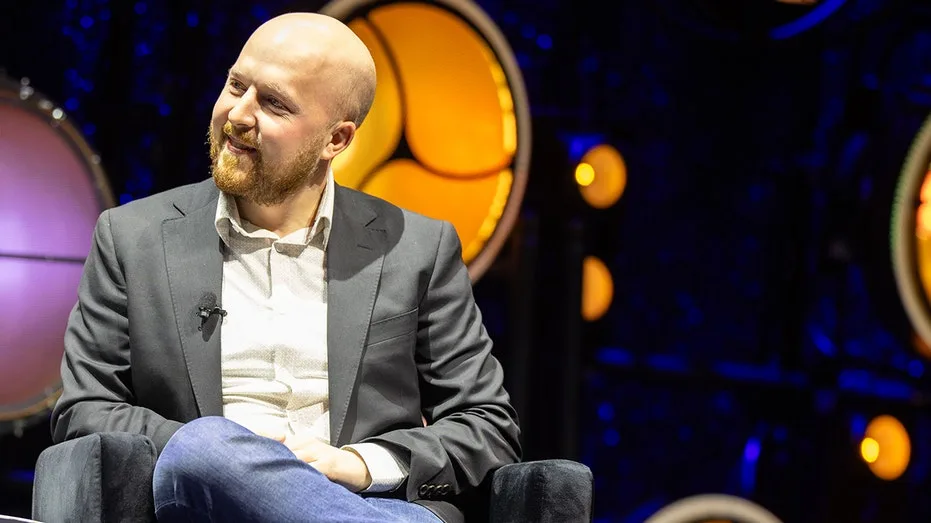
Democrat Jonathan Kreiss-Tomkins Secures Alaska Governorship Amidst GOP Divisions
Democrat Jonathan Kreiss-Tomkins won Alaska's gubernatorial election, ending a long Republican hold. His victory followed significant GOP infighting, including a Trump-backed contender, under the state's unique
Nov 14
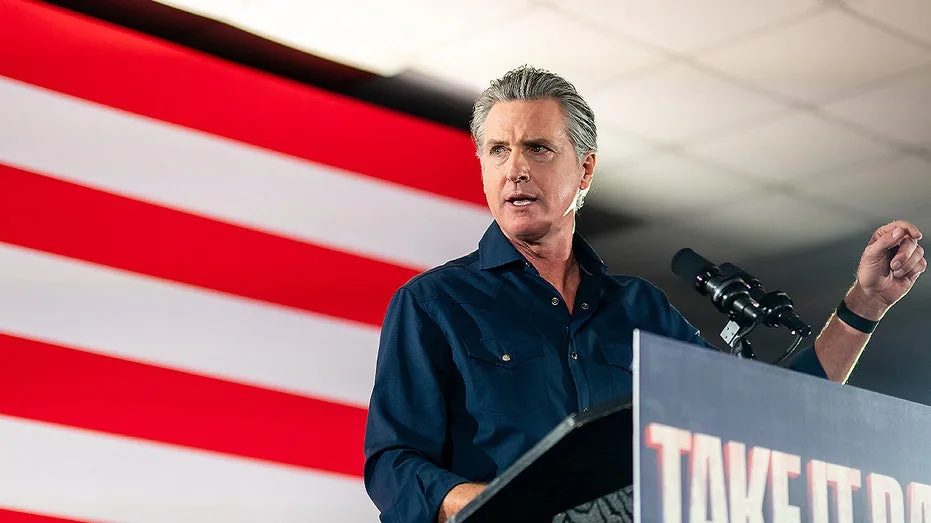
California Governor Gavin Newsom Sets Early 2024 Deadline for 2028 Presidential Bid Decision
California Governor Gavin Newsom announced he plans to decide on a potential 2028 presidential campaign by early January. The Democratic leader discussed his timeline while attending a UN climate conference, emphasizing
Nov 13

Republican Senator Warns Party to 'Forget 2028' After Midterm Setbacks and Leadership Criticism
Senator Jim Justice (R-WV) stated the GOP should "forget" about securing a Senate majority in 2028, reflecting deep concerns after Democrats' stronger-than-expected midterm performance. Other Republicans emphasized the
Nov 12

Trump Differentiates Deportation Focus, Citing Less Pressure on Farm Workers and Hotel Staff
Former President Donald Trump elaborated on his administration's immigration enforcement priorities, indicating that the focus was primarily on individuals involved in serious crimes rather than on undocumented workers
Nov 10