Cancer Treatment Wait Times Surge Across US, Study Reveals Significant Delays
A new study indicates that the period between a cancer diagnosis and the start of treatment has lengthened by nearly two weeks over the last decade nationwide.
Health·

The interval between a cancer diagnosis and the commencement of treatment has expanded by almost two weeks across the United States over the past decade, according to findings from a recent study published in JAMA Surgery.
Researchers affiliated with the University of California, Los Angeles, and Massachusetts General Hospital conducted an analysis of national data, encompassing more than two million patients diagnosed between January 2012 and December 2023.
The investigation focused on adults with early to locally advanced stages of six prevalent cancers—breast, colon, lung, pancreatic, stomach, and esophageal—who underwent surgery as their initial therapeutic approach. The researchers tracked the duration from the date of diagnosis to the first treatment administered, whether it was a surgical procedure or pre-surgical therapy aimed at reducing tumor size.
Increasing Delays Across Cancer Types
Across all six cancer categories examined, the median wait times saw an increase of over 10 days throughout the study period. This trend was observed irrespective of whether surgery was the primary intervention or followed other forms of treatment.
The most substantial increases in wait times were noted for stomach cancer, where periods extended from 35 days to 49 days, and lung cancer, which saw an increase from 41 days to 53 days. Breast cancer patients experienced delays growing from 34 to 45 days, while colon cancer treatment initiations were pushed from 20 to 31 days.
Similarly, wait times for pancreatic cancer climbed from 23 to 32 days, and esophageal cancer delays rose from 38 to 48 days. The study also highlighted that a growing proportion of patients now face waits of 60 days or more before their treatment begins.
An observer not involved in the study noted that these delays are even evident at major academic medical centers with high patient volumes. He emphasized, "The waiting times for basic cancer operations in non-metastatic diseases is high and increasing since 2012."
Disparities in Treatment Timelines
After adjusting for various factors such as patient age and underlying health conditions, the researchers discovered that these treatment delays did not impact all demographic groups uniformly.
Extended wait times were more frequently observed among Black patients, individuals covered by Medicaid, residents of lower-income communities, patients who traveled greater distances to receive care, and those receiving treatment at academic medical centers or high-volume hospitals.
Geographically, the Western region of the U.S. generally experienced longer delays compared to other areas. Furthermore, for non-breast cancers, the utilization of robotic surgery was associated with prolonged wait times.
The study authors pointed out that previous medical research has consistently linked delays in surgical treatment to elevated mortality rates and diminished long-term survival prospects for patients.
Challenges in Cancer Care Coordination
In a related commentary published alongside the study, Dr. Lia D. Delaney and Dr. Sherry M. Wren, both from the Stanford School of Medicine in Palo Alto, California, underscored the increasing sophistication of cancer care over the past two decades.
They cautioned, however, that "as cancer care continues to regionalize, efforts to improve quality may inadvertently create barriers to timely treatment unless capacity and coordination evolve in parallel."
Study Limitations
The authors acknowledged several limitations within their research. Since the analysis relied on retrospective data sourced from the National Cancer Database, it was not possible to ascertain the precise causes behind individual treatment delays. These potential causes could include scheduling conflicts, logistical hurdles, or personal preferences of the patient.
Additionally, the database lacked information regarding when patients first developed symptoms or sought medical advice prior to receiving their diagnosis.
Related Stories

Highly Pathogenic Avian Influenza Confirmed in Wisconsin Poultry Flock, Prompting Euthanization
Wisconsin agriculture officials confirmed a highly pathogenic avian influenza case in a Rusk County backyard poultry flock. All affected birds were euthanized to prevent further spread. The contagious disease has
Nov 13
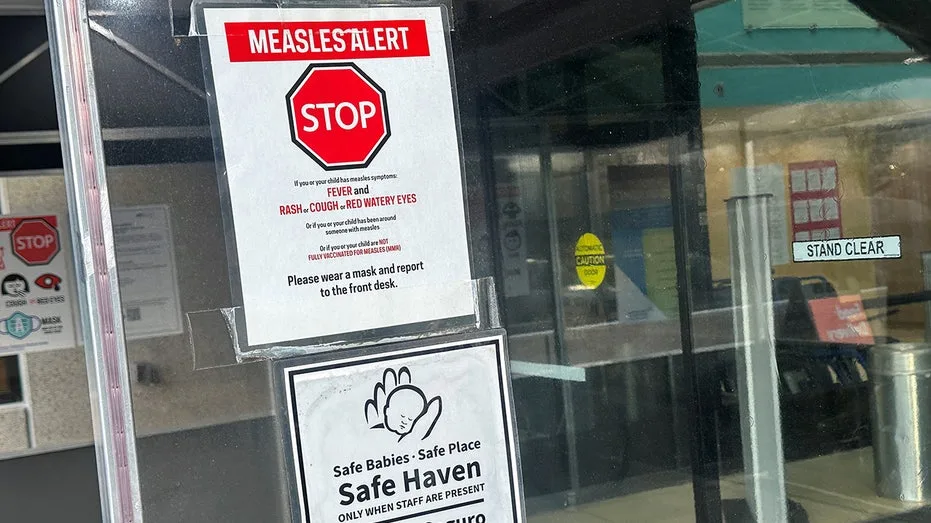
Wisconsin Infant Dies from Measles, Marking First State Death in 36 Years Amid Rising Cases
An infant in Wisconsin has died from measles, the state's first such fatality in 36 years. This tragic death occurs amidst Wisconsin's highest measles case count in over three decades, prompting health officials to urge
Nov 6

New York State Reports First Measles Fatality in Over Three Decades Amid Ongoing Outbreak
New York state has confirmed its first measles-related death in over 30 years, a child in Lewis County. Governor Kathy Hochul expressed sorrow, reinforcing the critical importance of vaccination. This fatality occurs
Nov 3

Kratom Industry Urges Distinction Between Natural Product and Synthetic Opioids Amid Student Death Probe
Amid an investigation into the deaths of two university students, the kratom industry is calling for clear distinctions between natural kratom products and synthetic opioids. They advocate for stronger enforcement of
Oct 1